1851
Wet Plate CollodionGlass Plate Negative, Silver Tones
The Wet Plate Collodion (1851) recreated as a live camera effect on your iPhone. Real color science, lens character, and film grain — all in real time.
Free download · No ads · No tracking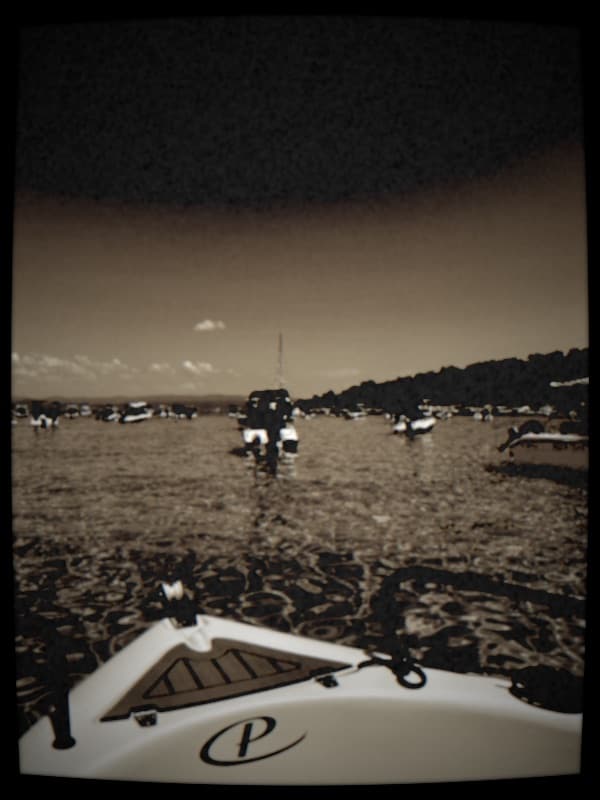
The Wet Plate Collodion (1851) recreated as a live camera effect on your iPhone. Real color science, lens character, and film grain — all in real time.
Free download · No ads · No trackingIntroduced by Frederick Scott Archer in 1851, the wet plate collodion process produced sharp glass negatives with remarkable tonal range. The plates had to be coated, exposed, and developed while still wet — giving the photographer about 15 minutes to work. Despite the complexity, it dominated photography from the 1850s through the 1880s, documenting everything from the American Civil War to Victorian portraiture.
RetroCam recreates this look using real optical data: color temperature curves, aberration profiles, grain structure, and tonal response. The result is a live camera effect that feels authentic, not just a filter slapped on top.
Each effect is calibrated to match the real optical and chemical characteristics of the Wet Plate Collodion.
Sample photos taken with the Wet Plate Collodion effect in RetroCam.



Free on iPhone. Every camera and every effect is included.
Download for iPhone$0 · NO ADS · NO TRACKING


