ON THIS PAGE5 SECTIONS
Instant film is having its biggest moment since the 1970s. But with two major systems — Polaroid and Fujifilm Instax — choosing can be confusing. Here's everything you need to know about both formats in 2026.
01Polaroid: the original
Edwin Land demonstrated the first Polaroid camera in 1947. The company went bankrupt in 2001 and again in 2008, but was revived by The Impossible Project (now Polaroid B.V.). Modern Polaroid film uses the same integral format as the original SX-70 — a self-contained unit that develops in daylight.
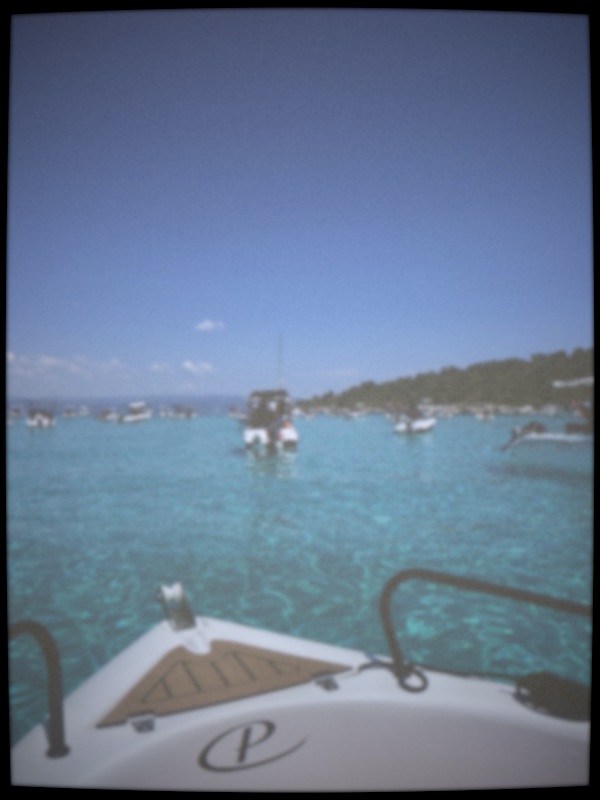
The Polaroid look is unmistakable: soft, dreamy colors with a warm cast, gentle contrast, and a slight haze. Polaroid film is sensitive to temperature during development — cold weather produces blue-shifted, lower-contrast images, while heat pushes colors warmer and more saturated. This unpredictability is part of the appeal.
02Instax: the reliable option
Fujifilm launched Instax in 1998 and it now outsells Polaroid significantly. The format comes in three sizes: Mini (credit card), Wide (landscape), and Square. Instax film is more consistent than Polaroid — the chemistry is more forgiving of temperature variation, and the colors are punchier and more saturated.
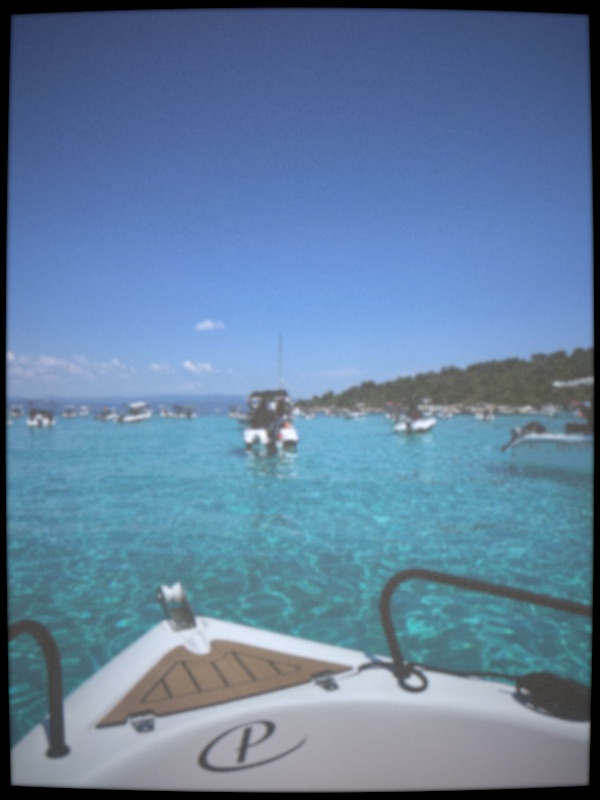
Where Polaroid gives you dreamy softness, Instax delivers vivid, contrasty snapshots with accurate skin tones. The Mini format is especially popular for its portability and lower per-shot cost.
03Side by side
04The key differences
- Image size: Polaroid is larger (3.1" square) vs Instax Mini (2.4" × 1.8")
- Color science: Polaroid is warm and soft; Instax is vivid and contrasty
- Development time: Polaroid takes 15-30 minutes; Instax is fully developed in about 5
- Cost per shot: Polaroid is roughly $1.00-1.50; Instax Mini is $0.50-0.75
- Consistency: Instax is more predictable; Polaroid varies with temperature and age
05Which one is for you?
If you want a reliable party camera with affordable film, go Instax. If you want the classic Polaroid look with its beautiful imperfections and are willing to pay more per shot, go Polaroid. Or do what many photographers do: own both. RetroCam includes profiles for the Polaroid SX-70, Polaroid OneStep, Fuji Instax Mini, and Instax Wide — so you can try each look before committing to a format.
| SX-70 | OneStep | |
|---|---|---|
| Year | 1972 | 1977 |
| Body | Folding SLR | Fixed plastic box |
| Focus | Manual, through the lens | Fixed |
| Color | Warm, cream highlights | Faded pastels |
| Contrast | Soft | Softer |
| Best for | Portraits, window light | Daylight, flash |