ON THIS PAGE4 SECTIONS
Open Instagram or TikTok in 2026 and you'll see it everywhere: direct flash, heavy grain, soft focus, slightly off colors. The disposable camera aesthetic has become the dominant visual language of social media, and it's not going away.
01A brief history of the disposable camera
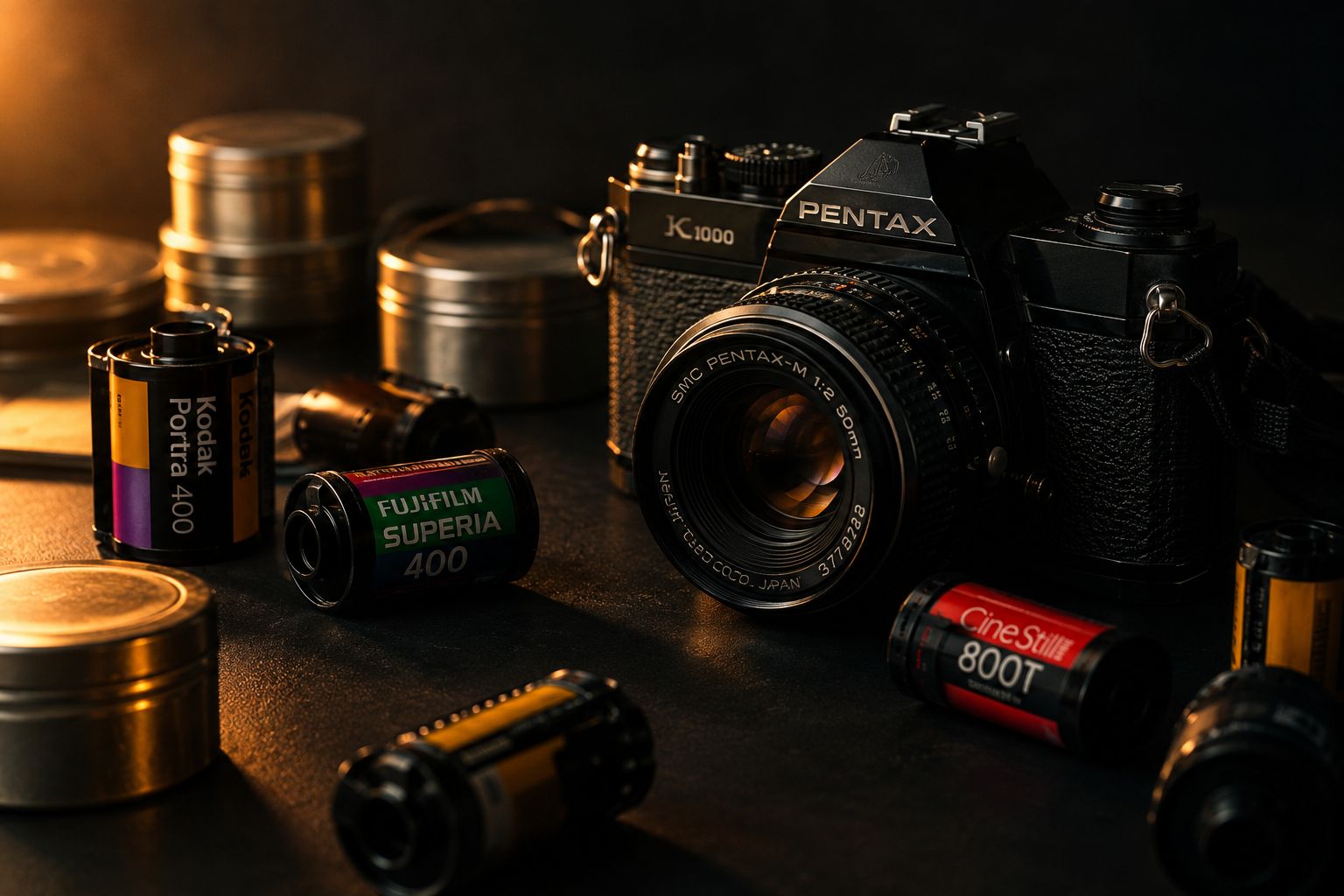
Fujifilm introduced the QuickSnap in 1986. Kodak followed with the FunSaver. These were cameras designed to be used once and thrown away — a fixed-focus plastic lens, a single shutter speed, ISO 400 or 800 color negative film, and a tiny built-in flash. They cost a few dollars and produced 27 exposures.
The image quality was, by any technical measure, terrible. The lens was a single plastic element that couldn't resolve fine detail. The flash was harsh and direct, creating blown-out faces against pitch-black backgrounds. The film was pushed to compensate for the slow lens, adding grain. Light leaked in through the plastic body.
02Why "bad" became beautiful
Every technical flaw of the disposable camera contributes to an emotional quality that clean digital photos lack. The direct flash freezes a moment with theatrical intensity. The grain adds texture and warmth. The soft focus removes distracting detail and draws you into the subject. The color shifts give each roll a unique personality.
Most importantly, disposable cameras were associated with parties, holidays, and everyday moments — the unguarded, candid, real parts of life. The aesthetic carries that emotional context with it. A disposable camera photo feels spontaneous and authentic in a way that a carefully composed iPhone portrait does not.
03The science of the look
In RetroCam, the disposable camera profile combines six specific effects to recreate this aesthetic: Kodak-style warm color temperature, heavy film grain (not digital noise — the grain is clumped and organic), slight barrel distortion from the plastic meniscus lens, strong vignetting from the simple optical design, punchy contrast from the consumer-grade film stock, and a subtle green-yellow color cast from the cheap plastic lens element.
Each of these is calibrated from real disposable camera scans — not guessed or approximated. The result is a filter that feels authentic because it is, optically speaking, accurate.
04The trend isn't slowing down
Fujifilm's QuickSnap is still in production and selling better than it has in years. Urban Outfitters stocks disposable cameras at the checkout counter. Wedding photographers offer "disposable camera tables" as a standard package option. The aesthetic has transcended nostalgia — it's become a permanent part of how we document our lives.